Does Coffee Increase Blood Pressure? A Detailed, Evidence-Based Explanation
Coffee is one of the most widely consumed beverages in the world, enjoyed daily by millions for its rich flavor, stimulating effects, and comforting ritual. For many people, coffee is an essential part of their morning routine, helping improve alertness, focus, and mood. However, coffee is also frequently linked to heart health discussions, especially regarding its potential impact on blood pressure. This has led to a common and important question: does coffee increase blood pressure?
The short answer is yes and no. Coffee can temporarily increase blood pressure in some individuals, but its long-term effects are far more complex. The way coffee affects blood pressure depends on several factors, including caffeine sensitivity, frequency of consumption, genetics, and existing health conditions. Understanding how coffee interacts with the cardiovascular system can help individuals make informed decisions about their coffee intake.

Understanding Blood Pressure and How It Works
Blood pressure refers to the force exerted by circulating blood against the walls of the arteries as the heart pumps. It is measured using two numbers: systolic pressure, which represents pressure during heartbeats, and diastolic pressure, which represents pressure between beats. Healthy blood pressure ensures that oxygen and nutrients are efficiently delivered throughout the body.
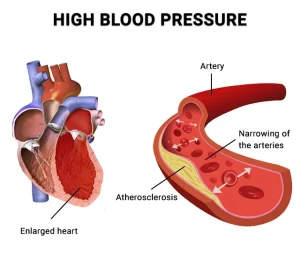
High blood pressure, also known as hypertension, occurs when this pressure remains elevated over time. Persistent hypertension can strain the heart and blood vessels, increasing the risk of serious conditions such as heart disease, stroke, and kidney damage. Because caffeine affects the nervous system and blood vessel function, it can influence blood pressure levels, at least temporarily.
How Coffee Affects Blood Pressure
The primary component of coffee that impacts blood pressure is caffeine. Caffeine is a natural stimulant that activates the central nervous system. Once consumed, caffeine blocks adenosine, a chemical that promotes relaxation and helps blood vessels widen. When adenosine is blocked, blood vessels may constrict slightly, leading to a temporary rise in blood pressure.
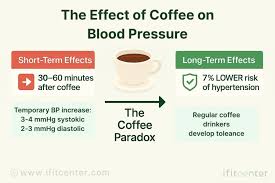
In addition, caffeine stimulates the release of adrenaline, a hormone associated with the body’s “fight or flight” response. Adrenaline increases heart rate and causes blood vessels to narrow, which can further elevate blood pressure. These effects usually begin within 30 to 60 minutes after drinking coffee and may last for several hours.
Short-Term vs. Long-Term Effects of Coffee on Blood Pressure
One of the most important distinctions to understand is the difference between short-term and long-term effects. In many people, coffee causes a temporary increase in blood pressure, especially among those who do not regularly consume caffeine. This short-term spike is usually mild and resolves as caffeine is metabolized.
For regular coffee drinkers, the body often develops a tolerance to caffeine. Over time, the nervous system becomes less responsive to its stimulatory effects. As a result, habitual coffee consumers may experience little to no noticeable increase in blood pressure after drinking coffee. This tolerance explains why many long-term studies show no consistent link between regular coffee consumption and sustained high blood pressure in healthy adults.
Coffee and Blood Pressure in People with Hypertension
For individuals who already have high blood pressure, coffee may have varying effects. Some people experience noticeable increases in blood pressure after drinking coffee, while others show minimal or no response. This variability is influenced by genetic makeup, caffeine metabolism, and overall cardiovascular health.
Healthcare professionals often advise people with hypertension to monitor their blood pressure response to coffee. Measuring blood pressure before and after coffee consumption can help identify personal sensitivity. If coffee consistently causes a significant spike, reducing intake or switching to lower-caffeine options may be beneficial.

The Role of Genetics and Caffeine Sensitivity
Genetics plays a significant role in how coffee affects blood pressure. Some individuals metabolize caffeine quickly, while others process it more slowly. Slow metabolizers tend to experience stronger and longer-lasting effects, including elevated blood pressure and heart rate.
Caffeine sensitivity also varies widely. People who are sensitive to caffeine may experience symptoms such as restlessness, anxiety, palpitations, or sleep disturbances after drinking coffee. These symptoms are often accompanied by temporary increases in blood pressure. On the other hand, individuals with low sensitivity may tolerate coffee well without noticeable cardiovascular effects.
Should You Stop Drinking Coffee?
For most healthy adults, moderate coffee consumption is generally safe and does not lead to long-term increases in blood pressure. However, individual responses matter more than general guidelines. Paying attention to how your body reacts to coffee is key.
If you notice consistent blood pressure spikes or uncomfortable symptoms after drinking coffee, consider reducing your intake, spacing out consumption, or choosing decaffeinated options. Consulting a healthcare professional is especially important for those with hypertension or underlying heart conditions.