Does Chai Tea Have Caffeine? A Complete and Honest Guide
Chai tea is one of the most loved beverages in the world, known for its warming spices, creamy texture, and deeply comforting aroma. From roadside tea stalls in South Asia to trendy cafés across Europe and North America, chai has secured a permanent place in daily routines. Yet one common question continues to surface among tea lovers and health-conscious drinkers alike: does chai tea have caffeine?
The short answer is yes, but the full explanation is more nuanced. The caffeine content in chai tea depends on its ingredients, preparation method, and whether it follows a traditional recipe or a modern variation. Understanding these factors helps you enjoy chai confidently and choose the version that best suits your lifestyle.
What Exactly Is Chai Tea?
The word chai simply means tea in Hindi and several other languages. Traditionally, chai refers to masala chai, a spiced milk tea made by boiling black tea leaves with water, milk, sugar, and aromatic spices such as ginger, cardamom, cinnamon, cloves, and black pepper.
Chai is more than just a drink—it is an experience. Each household has its own recipe, with spice combinations passed down through generations. Despite these variations, one ingredient remains consistent in traditional chai: black tea leaves, which naturally contain caffeine.
learn more : Long Island Iced Tea Recipe

Why Chai Tea Contains Caffeine
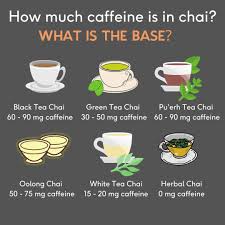
The caffeine in chai tea comes entirely from black tea, derived from the Camellia sinensis plant. Black tea is fully oxidized, giving it a stronger flavor and a higher caffeine content compared to green or white tea.
The spices commonly used in chai—ginger, cardamom, cinnamon, cloves, and pepper—contain no caffeine. Milk and sugar also do not contribute any caffeine. This means if your chai includes black tea, caffeine will be present unless the tea leaves are removed or replaced.
In simple terms: no black tea, no caffeine.
How Much Caffeine Is in Chai Tea?
The caffeine content in chai tea can vary significantly based on several factors:
-
Amount of black tea used
-
Quality and type of tea leaves
-
Brewing time
-
Milk-to-water ratio
-
Homemade versus store-bought preparation
On average, an 8-ounce cup of traditional chai tea contains around 25–50 milligrams of caffeine. This is noticeably lower than coffee, which typically contains 90–120 milligrams per cup.
Because chai is brewed with milk and spices, caffeine extraction is gentler than in plain black tea. As a result, the stimulating effect feels milder and more balanced.
Chai Tea vs Coffee: A Gentler Energy Boost
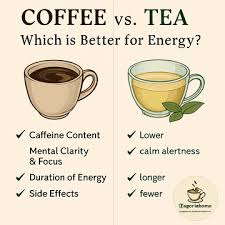
Many people switch from coffee to chai because of its smoother energy profile. Coffee delivers a rapid caffeine spike that can cause jitters or crashes. Chai, on the other hand, provides a calmer and more sustained lift.
This is partly due to L-theanine, a naturally occurring amino acid in tea. L-theanine works alongside caffeine to promote relaxed alertness rather than nervous stimulation. As a result, chai drinkers often experience improved focus without the restlessness commonly associated with coffee.
For individuals sensitive to caffeine, chai can be a more balanced alternative.
Is a Chai Latte High in Caffeine?
A chai latte is typically made using chai concentrate mixed with steamed milk, making it creamier and sweeter than traditional chai. Its caffeine content depends largely on the concentrate used.
Most commercial chai concentrates are made with black tea extract, meaning they do contain caffeine. However, because they are diluted with milk, the overall caffeine level may be lower. On average, a chai latte contains 30–60 milligrams of caffeine, depending on the brand and serving size.
Some cafés also offer decaffeinated or caffeine-free chai lattes, so it’s always a good idea to ask if caffeine intake matters to you.
Herbal Chai: A Caffeine-Free Option
Not all chai contains caffeine. Herbal chai uses the same warming spices but excludes black tea entirely. Instead, it may be made with rooibos, chicory root, or a pure spice infusion.
Herbal chai is naturally caffeine-free and ideal for:
-
Evening or nighttime consumption
-
People sensitive to caffeine
-
Pregnant individuals
-
Those with anxiety or sleep issues
Despite lacking caffeine, herbal chai still delivers the bold, spicy flavor that makes chai so comforting and satisfying.