Can I Have Iced Coffee After Tooth Extraction?
Tooth extraction is a common dental procedure, but it requires careful post-operative care to ensure proper healing. After a tooth is removed, patients often wonder whether they can enjoy their usual beverages, including coffee. Iced coffee, in particular, is a popular choice, but it may have effects on the recovery process that patients need to consider. Understanding the impact of iced coffee on post-extraction healing can help prevent complications like dry socket, excessive bleeding, and prolonged discomfort.
Healing Process After Tooth Extraction
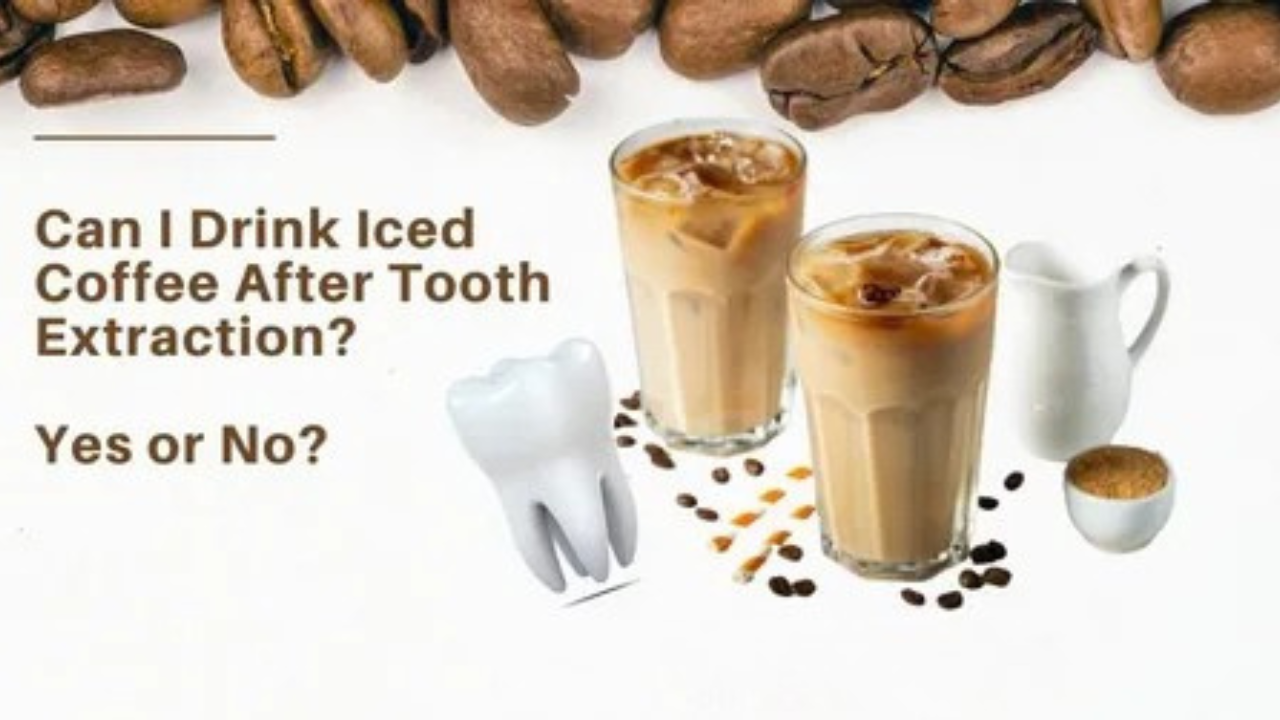
When a tooth is extracted, a blood clot forms in the empty socket, protecting the underlying bone and nerves. This clot is essential for proper healing. Any action that disturbs or dislodges the clot can lead to complications, most commonly dry socket—a painful condition where the bone and nerves are exposed. Drinking beverages immediately after extraction requires caution, especially those that involve temperature extremes or sipping through a straw. Since iced coffee is cold and often consumed through a straw, it can pose risks to the healing process.
Temperature Concerns: Cold vs. Hot Beverages
Temperature plays a crucial role in post-extraction comfort. Hot drinks, like traditional coffee or tea, can irritate the surgical site due to heat, while cold drinks like iced coffee may initially soothe but also increase sensitivity. Extremely cold beverages can aggravate the nerves in the jaw and surrounding teeth, causing discomfort during the first days of healing. It is recommended to avoid iced coffee in the immediate post-extraction period or consume it cautiously without using a straw, as suction can loosen the blood clot and increase the risk of dry socket.
Caffeine Effects on Recovery
Iced coffee contains caffeine, which acts as a mild stimulant. While moderate caffeine consumption is generally safe, it can affect recovery in several ways. Caffeine may thin the blood slightly, leading to increased bleeding at the extraction site. During the first 24 to 48 hours after extraction, it is important to avoid anything that may disrupt clot formation. Additionally, caffeine is a diuretic and may cause dehydration if consumed in excess. Proper hydration is vital for healing, so iced coffee should be balanced with water to support recovery and reduce discomfort.

Sugar and Acidity Considerations
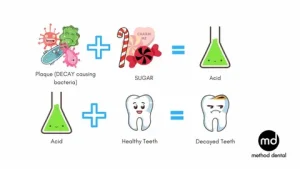
Iced coffee often contains sugar, syrups, and cream, which can influence oral health after tooth extraction. Sugar can promote bacterial growth, increasing the risk of infection at the surgical site. Excessive sugar intake may also cause inflammation, delaying healing. Moreover, coffee is naturally acidic, which can irritate sensitive oral tissues and the exposed socket. To minimize irritation, it is best to avoid highly sweetened or acidic iced coffee during the initial recovery phase. Unsweetened coffee or diluted options can be safer alternatives while still allowing enjoyment of the beverage.
Safe Practices for Consuming Iced Coffee Post-Extraction
If patients wish to consume iced coffee after tooth extraction, certain precautions are essential. Avoid using straws and take small sips to prevent suction. Limit sugar, syrups, and acidic additives to reduce irritation. Ensure adequate hydration by drinking plenty of water alongside coffee. Waiting at least 24 to 48 hours before introducing iced coffee can help protect the blood clot and promote smoother recovery. Following these guidelines can allow patients to enjoy iced coffee without compromising oral healing.

Time: When Can I Drink Iced Coffee After Tooth Extraction?
Tooth extraction is a routine dental procedure, but proper post-operative care is crucial for a smooth recovery. Many patients ask, “Can I drink iced coffee after tooth extraction?” The answer lies in understanding timing, oral health precautions, and safe alternatives. Consuming coffee too soon can disrupt the healing process, while waiting and reintroducing beverages carefully ensures comfort and avoids complications such as dry socket, excessive bleeding, or sensitivity.
Recommended Waiting Period
Dental experts generally recommend waiting 24 to 48 hours before consuming any coffee, whether hot or iced. During this initial recovery period, focus should be on soft foods, plenty of water, and any prescribed oral rinses or medications. This gives the blood clot in the extraction site time to form and stabilize, which is essential for healing. After the first two days, if the healing process is progressing normally without pain or bleeding, iced coffee can be introduced gradually in small portions.
It is important to monitor your body’s response when reintroducing iced coffee. Sharp pain, prolonged bleeding, or discomfort at the extraction site indicates that the surgical area is still sensitive. Each person’s recovery timeline varies depending on factors such as the complexity of the extraction, the number of teeth removed, and overall health. Therefore, patience is key before resuming beverages like iced coffee.
Safe Consumption Practices
When you start drinking iced coffee after the initial recovery period, certain precautions are essential:
-
Avoid using straws, as suction can dislodge the blood clot and increase the risk of dry socket.
-
Sip slowly rather than gulping to minimize irritation to the extraction site.
-
Start with small amounts and observe comfort levels.
Following these precautions allows patients to enjoy iced coffee safely without disrupting the healing process.
Alternatives to Iced Coffee During Recovery
During the first 24 to 48 hours, it is wise to consider alternative beverages that do not interfere with healing:
-
Herbal teas: Gentle on the surgical site and soothing.
-
Warm broths: Provide nutrition without irritation.
-
Cold, non-carbonated drinks: Chilled water or sugar-free juices are refreshing without adding acidity or sugar.
-
Decaffeinated or lightly brewed coffee: If a coffee craving is strong, this is a safer option when consumed slowly and without a straw.
These alternatives help satisfy thirst and cravings while supporting healing and avoiding complications.

Managing Pain and Swelling
Although iced coffee is cold, it should not be relied upon as a primary solution for post-extraction swelling. Safer methods include:
-
Applying ice packs externally on the cheek for swelling relief.
-
Taking prescribed pain medications as advised by your dentist.
-
Gentle saltwater rinses after the first 24 hours to reduce bacteria and promote healing.
Combining these practices with cautious reintroduction of beverages ensures optimal recovery.
General Post-Extraction Care Tips
Proper post-extraction care is essential for avoiding complications:
-
Avoid smoking and alcohol during the first few days.
-
Avoid hard or crunchy foods that may irritate the extraction site.
-
Maintain good oral hygiene by carefully cleaning around the extraction area.
-
Follow all dentist instructions regarding medications, dietary restrictions, and follow-up visits.
If iced coffee is consumed after the first 24-48 hours, these guidelines must still be followed to protect the surgical site.
Conclusion
In summary, it is not advisable to drink iced coffee immediately after tooth extraction. Risks include dislodging the blood clot, cold sensitivity, caffeine effects, and the acidity and sugar content of the beverage. Waiting 24 to 48 hours before gradually reintroducing iced coffee is recommended. When consuming, avoid straws, sip slowly, and monitor comfort levels.
During the initial recovery period, safer alternatives like herbal teas, water, or mild beverages can help satisfy cravings without compromising healing. Following post-operative recommendations and gradually resuming favorite drinks ensures proper healing, minimizes complications, and allows you to enjoy iced coffee again safely.
Research by Kakar et al. (2016) demonstrates that proper post-extraction care and conscious consumption of beverages such as iced coffee significantly influence recovery. By understanding these risks and following recommended practices, patients can safeguard their oral health and return to their normal routine, including enjoying their favorite iced coffee, without worry.