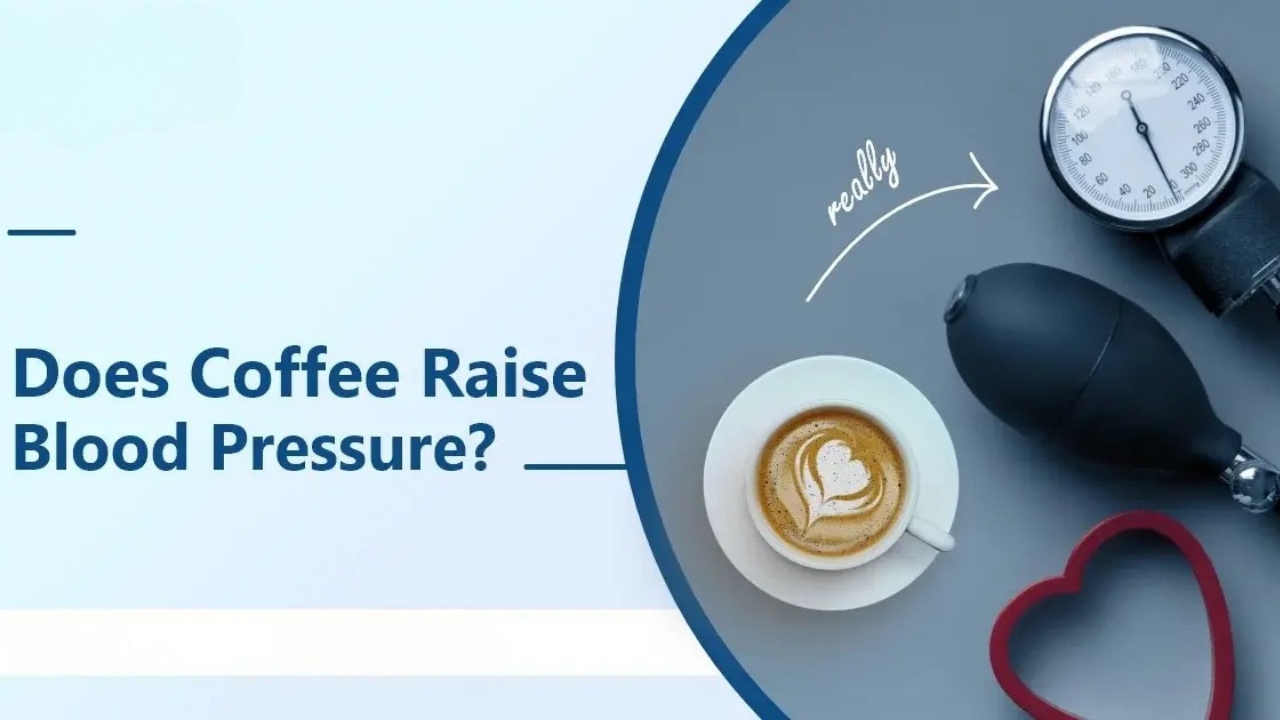
Does Coffee Raise Blood Pressure

Does Coffee Raise Blood Pressure

Does Coffee Increase Blood Pressure? A Detailed, Evidence-Based Explanation

Coffee is one of the most widely consumed beverages in the world, enjoyed daily by millions for its rich flavor, stimulating effects, and comforting ritual. For many people, coffee is an essential part of their morning routine, helping improve alertness, focus, and mood. However, coffee is also frequently linked to heart health discussions, especially regarding its potential impact on blood pressure. This has led to a common and important question: does coffee increase blood pressure?

The short answer is yes and no. Coffee can temporarily increase blood pressure in some individuals, but its long-term effects are far more complex. The way coffee affects blood pressure depends on several factors, including caffeine sensitivity, frequency of consumption, genetics, and existing health conditions. Understanding how coffee interacts with the cardiovascular system can help individuals make informed decisions about their coffee intake.
what is flat white coffee?

Does Coffee Raise Blood Pressure

Understanding Blood Pressure and How It Works

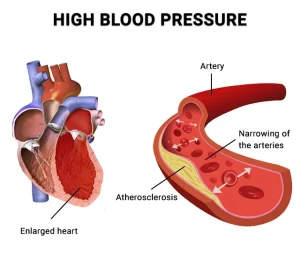
Blood pressure refers to the force exerted by circulating blood against the walls of the arteries as the heart pumps. It is measured using two numbers: systolic pressure, which represents pressure during heartbeats, and diastolic pressure, which represents pressure between beats. Healthy blood pressure ensures that oxygen and nutrients are efficiently delivered throughout the body.

High blood pressure, also known as hypertension, occurs when this pressure remains elevated over time. Persistent hypertension can strain the heart and blood vessels, increasing the risk of serious conditions such as heart disease, stroke, and kidney damage. Because caffeine affects the nervous system and blood vessel function, it can influence blood pressure levels, at least temporarily.
Understanding Blood Pressure and How It Works

How Coffee Affects Blood Pressure

The primary component of coffee that impacts blood pressure is caffeine. Caffeine is a natural stimulant that activates the central nervous system. Once consumed, caffeine blocks adenosine, a chemical that promotes relaxation and helps blood vessels widen. When adenosine is blocked, blood vessels may constrict slightly, leading to a temporary rise in blood pressure.

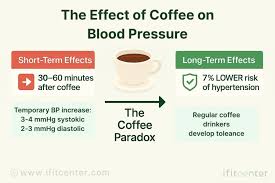
In addition, caffeine stimulates the release of adrenaline, a hormone associated with the body’s “fight or flight” response. Adrenaline increases heart rate and causes blood vessels to narrow, which can further elevate blood pressure. These effects usually begin within 30 to 60 minutes after drinking coffee and may last for several hours.
How Coffee Affects Blood Pressure

Short-Term vs. Long-Term Effects of Coffee on Blood Pressure

One of the most important distinctions to understand is the difference between short-term and long-term effects. In many people, coffee causes a temporary increase in blood pressure, especially among those who do not regularly consume caffeine. This short-term spike is usually mild and resolves as caffeine is metabolized.

For regular coffee drinkers, the body often develops a tolerance to caffeine. Over time, the nervous system becomes less responsive to its stimulatory effects. As a result, habitual coffee consumers may experience little to no noticeable increase in blood pressure after drinking coffee. This tolerance explains why many long-term studies show no consistent link between regular coffee consumption and sustained high blood pressure in healthy adults.

Coffee and Blood Pressure in People with Hypertension

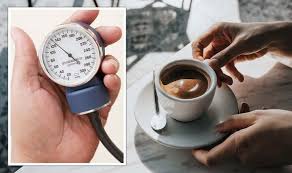
For individuals who already have high blood pressure, coffee may have varying effects. Some people experience noticeable increases in blood pressure after drinking coffee, while others show minimal or no response. This variability is influenced by genetic makeup, caffeine metabolism, and overall cardiovascular health.

Healthcare professionals often advise people with hypertension to monitor their blood pressure response to coffee. Measuring blood pressure before and after coffee consumption can help identify personal sensitivity. If coffee consistently causes a significant spike, reducing intake or switching to lower-caffeine options may be beneficial.
Coffee and Blood Pressure in People with Hypertension

The Role of Genetics and Caffeine Sensitivity

Genetics plays a significant role in how coffee affects blood pressure. Some individuals metabolize caffeine quickly, while others process it more slowly. Slow metabolizers tend to experience stronger and longer-lasting effects, including elevated blood pressure and heart rate.

Caffeine sensitivity also varies widely. People who are sensitive to caffeine may experience symptoms such as restlessness, anxiety, palpitations, or sleep disturbances after drinking coffee. These symptoms are often accompanied by temporary increases in blood pressure. On the other hand, individuals with low sensitivity may tolerate coffee well without noticeable cardiovascular effects.

Should You Stop Drinking Coffee?

For most healthy adults, moderate coffee consumption is generally safe and does not lead to long-term increases in blood pressure. However, individual responses matter more than general guidelines. Paying attention to how your body reacts to coffee is key.

If you notice consistent blood pressure spikes or uncomfortable symptoms after drinking coffee, consider reducing your intake, spacing out consumption, or choosing decaffeinated options. Consulting a healthcare professional is especially important for those with hypertension or underlying heart conditions.


Should You Stop Drinking Coffee?

Do Decaffeinated Coffees Have Any Effect on Blood Pressure?

Coffee is one of the most popular beverages worldwide, yet concerns about its impact on heart health—especially blood pressure—remain common. While much of the discussion focuses on regular coffee and caffeine, many people ask an important follow-up question: do decaffeinated coffees have any effect on blood pressure?

Decaffeinated coffee contains significantly less caffeine than regular coffee, but it is not completely caffeine-free. However, the amount of caffeine present is usually small enough that it does not trigger the same stimulating effects associated with traditional coffee. For individuals who enjoy the taste and ritual of coffee but are concerned about blood pressure, decaffeinated coffee may offer a practical alternative.

How Decaffeinated Coffee Differs from Regular Coffee

Decaffeinated coffee typically contains about 2 to 5 milligrams of caffeine per cup, compared to 80 to 100 milligrams in regular coffee. Because of this low caffeine content, decaf coffee generally does not cause the short-term blood pressure spikes commonly associated with caffeine consumption.

Interestingly, several studies suggest that decaffeinated coffee may have no effect—or even a slightly positive effect—on blood pressure. Coffee contains antioxidants and other bioactive compounds that support blood vessel function. Without the stimulating influence of caffeine, these compounds may help improve vascular health and promote better blood flow.

For people who are sensitive to caffeine or managing hypertension, decaffeinated coffee provides a balanced middle ground, allowing them to enjoy coffee without significantly affecting blood pressure levels.

How Decaffeinated Coffee Differs from Regular Coffee

Coffee, Stress, and Lifestyle Factors

The effect of coffee on blood pressure cannot be evaluated in isolation. Lifestyle factors such as stress, sleep quality, diet, and physical activity play a major role in cardiovascular health. When coffee is consumed during periods of high stress, its effects may be amplified because both caffeine and stress hormones can raise blood pressure.

Additionally, drinking coffee late in the day can disrupt sleep patterns. Poor sleep quality has been strongly linked to higher blood pressure over time. This makes the timing of coffee consumption just as important as the quantity, particularly for people who already have blood pressure concerns.

Switching to decaffeinated coffee in the afternoon or evening may help protect sleep quality while still allowing coffee enjoyment.

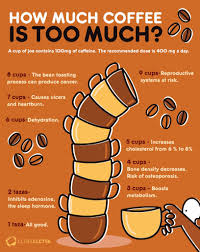
How Much Coffee Is Too Much?

For most healthy adults, moderate coffee consumption is considered safe. Moderation is typically defined as two to four cups per day, depending on caffeine content and individual tolerance. At this level, coffee is unlikely to cause long-term increases in blood pressure for most people.

However, excessive caffeine intake can lead to sustained blood pressure elevation, anxiety, insomnia, and heart palpitations. Specialty coffee drinks and energy beverages often contain high caffeine levels, sometimes exceeding daily recommended limits without consumers realizing it.

Monitoring daily caffeine intake and being mindful of portion sizes can help prevent unwanted cardiovascular effects. For those at risk, replacing some regular coffee with decaffeinated options can significantly reduce caffeine exposure.

How Much Coffee Is Too Much?

Other Coffee Ingredients That May Influence Blood Pressure

Coffee is rarely consumed on its own. Additives such as sugar, flavored syrups, whipped cream, and high-fat dairy products can indirectly affect blood pressure. These ingredients increase calorie intake and may contribute to weight gain, which is a known risk factor for hypertension.

In addition, coffee is often paired with salty snacks or processed foods, which can further elevate blood pressure due to high sodium content. Therefore, the overall dietary context matters just as much as the coffee itself.

Choosing black coffee, low-fat milk, or unsweetened alternatives can help minimize these indirect effects on blood pressure.

Potential Heart Health Benefits of Coffee

Despite ongoing concerns, coffee also offers potential health benefits. It is rich in antioxidants that help protect blood vessels from oxidative stress. Research suggests that moderate coffee consumption may be associated with a lower risk of certain cardiovascular conditions.

These benefits are most evident when coffee intake is moderate and combined with a healthy lifestyle. Regular physical activity, a balanced diet, stress management, and adequate sleep can enhance the positive effects of coffee while reducing potential risks.

Decaffeinated coffee allows individuals to benefit from these antioxidants without the stimulating effects of caffeine.

Who Should Be More Cautious About Coffee?

Certain individuals should approach coffee consumption with greater caution. People with uncontrolled hypertension, irregular heart rhythms, anxiety disorders, or high caffeine sensitivity may need to limit or avoid regular coffee. Pregnant women are also advised to moderate caffeine intake, as it can affect blood pressure and fetal development.

If coffee consumption consistently leads to symptoms such as headaches, dizziness, palpitations, or noticeable blood pressure changes, reducing intake or switching to decaffeinated coffee is advisable. Consulting a healthcare professional can provide personalized guidance.

Practical Tips for Coffee Drinkers Concerned About Blood Pressure

There are several ways to enjoy coffee while minimizing its impact on blood pressure:

  • Spread coffee consumption throughout the day instead of drinking large amounts at once

  • Choose smaller serving sizes or lighter roasts

  • Replace some regular coffee with half-caffeinated or decaffeinated options

  • Avoid drinking coffee during periods of high stress

  • Maintain proper hydration and balanced meals

Regular blood pressure monitoring is especially important for individuals with cardiovascular concerns. Understanding personal responses to coffee allows for better control and informed decision-making.

Final Thoughts

So, do decaffeinated coffees have any effect on blood pressure? In most cases, the answer is no—or very minimal. Decaffeinated coffee does not cause the same short-term blood pressure increases associated with caffeine and may even support vascular health due to its antioxidant content.

When consumed in moderation, coffee—especially decaffeinated—can be part of a heart-conscious lifestyle. Individual responses vary, so listening to your body, managing lifestyle factors, and making mindful choices are key. With the right approach, it is possible to enjoy coffee without compromising cardiovascular health.

You might also like