
Does Green Tea Have Caffeine? A Comprehensive Guide
Green tea is one of the most popular beverages worldwide, celebrated for its numerous health benefits, antioxidants, and soothing flavor. However, a common question among tea enthusiasts is: does green tea have caffeine? The answer is yes—green tea contains caffeine—but the amount varies depending on several factors. Understanding these factors can help tea lovers enjoy green tea without worrying about overstimulation or disrupted sleep.

Understanding Caffeine
Caffeine is a natural stimulant found in plants like coffee beans, tea leaves, and cocoa beans. It works by blocking adenosine, a neurotransmitter that signals the brain to sleep, thus keeping you alert and awake. Moderate caffeine intake can have several benefits, such as improved focus, enhanced mood, and increased physical performance.
However, too much caffeine can lead to negative effects, including jitteriness, insomnia, rapid heartbeat, and anxiety. To put it in perspective: an average cup of coffee contains approximately 95 mg of caffeine, while caffeinated soft drinks contain 30–40 mg per serving. Green tea, in contrast, contains moderate caffeine levels, making it a gentler stimulant.
Green Tea Caffeine Content
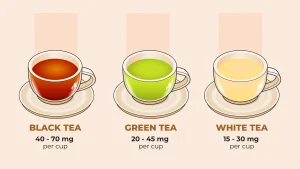
The caffeine content in green tea depends on multiple factors, including the type of tea, processing method, brewing time, temperature, and serving size. On average, a standard 8-ounce (240 ml) cup of green tea contains 20–45 mg of caffeine, which is lower than coffee but sufficient to provide a gentle energy boost.
Factors Affecting Green Tea Caffeine
Tea Leaf Type
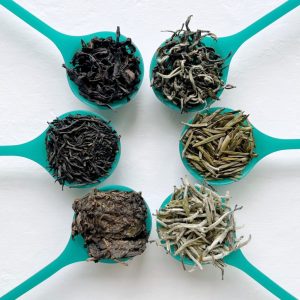
Not all green teas have the same caffeine content. Young tea leaves and buds usually contain more caffeine than mature leaves. For instance, Japanese green teas such as Matcha and Sencha typically have higher caffeine levels compared to Chinese varieties like Longjing (Dragon Well) or Biluochun.
Processing Methods
Green tea undergoes minimal oxidation, preserving most of its natural compounds, including caffeine. Steaming or pan-firing tea leaves ensures caffeine remains intact. Additionally, powdered green teas like Matcha contain more caffeine because the whole leaf is consumed rather than just an infusion.
Brewing Time and Temperature
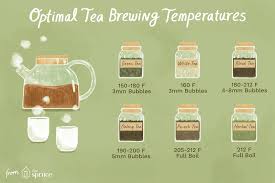
The temperature of water and steeping time significantly affect caffeine extraction. Brewing green tea at 80–85°C (176–185°F) for 1–2 minutes results in lower caffeine content, whereas boiling water with longer steeping (around 5 minutes) extracts more caffeine.
Serving Size
Larger servings naturally contain more caffeine. While a standard cup is 240 ml, many tea drinkers pour bigger cups, which can double or even triple caffeine intake.
Green Tea vs. Other Teas and Beverages
To understand caffeine in green tea, it’s helpful to compare it with other popular drinks:
-
Black Tea: Contains approximately 40–70 mg of caffeine per cup.
-
Oolong Tea: Around 30–50 mg per cup.
-
White Tea: Typically 15–30 mg per cup, generally lower than green tea.
-
Coffee: Around 95 mg per cup, a much stronger stimulant.
-
Herbal Teas: Most, like chamomile or peppermint, contain little to no caffeine.
From this comparison, it is evident that green tea is a moderate stimulant—stronger than herbal teas but milder than coffee. This makes it an excellent choice for those seeking a gentle energy boost without the jitters or insomnia associated with high-caffeine beverages.

Health Benefits Linked to Green Tea Caffeine
The moderate caffeine in green tea contributes to several health benefits:
-
Enhanced Focus and Alertness: Caffeine can improve concentration and mental clarity.
-
Increased Energy: The gentle stimulant effect provides sustained energy without the sudden spikes of coffee.
-
Metabolism Boost: Some studies suggest caffeine in green tea can support metabolism and fat oxidation.
-
Antioxidant Support: Green tea contains catechins, which work alongside caffeine to support overall health.
Comparison with Other Beverages and Teas
To better understand green tea’s caffeine content, it is useful to compare it with other teas and popular beverages:
-
Black Tea: About 40–70 mg of caffeine per cup.
-
Oolong Tea: Around 30–50 mg per cup.
-
White Tea: Typically 15–30 mg per cup, usually lower than green tea.
-
Coffee: Approximately 95 mg per cup, a strong stimulant.
-
Herbal Teas: Most herbal teas like chamomile or peppermint are naturally caffeine-free.
From this comparison, it is evident that green tea falls in the middle, providing a moderate and well-balanced stimulant effect. Unlike coffee, which can sometimes cause jitters or insomnia, green tea delivers a gentler energy boost. This makes it a preferred choice for long-term energy, focus during work or study, and part of morning or afternoon rituals.
Health Benefits of Caffeine in Green Tea
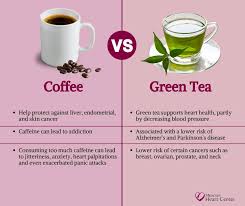
The moderate caffeine content in green tea works synergistically with other compounds like L-theanine, an amino acid that promotes relaxation and reduces the jittery effects of caffeine. Some of the key benefits include:
Enhanced Attention and Concentration
Caffeine stimulates the central nervous system, improving alertness and focus. L-theanine in green tea helps maintain a calm, sustained focus without the sharp spike or crash associated with coffee.
Boosted Metabolism
Research suggests that caffeine in green tea may slightly increase metabolic rate and fat oxidation, supporting weight management and energy-boosting effects. Many health and fitness products include green tea extracts for this reason.
Increased Physical Performance
Caffeine also enhances endurance by mobilizing fatty acids stored in fat tissues, making them available for energy during exercise. This can improve performance during workouts or physically demanding tasks.
Possible Disease Prevention
Green tea contains antioxidants such as catechins that work alongside caffeine to reduce oxidative stress. Regular consumption may contribute to lowering the risk of chronic conditions like cardiovascular disease and type 2 diabetes.
Mood and Cognitive Health
Moderate caffeine intake is associated with improved mood, a lower likelihood of depression, and enhanced cognitive abilities. Green tea provides these benefits without the high risk of insomnia or anxiety that can come with strong coffee consumption.
Decaffeinated Green Tea
For those sensitive to caffeine or wanting to avoid it, decaffeinated green tea is an excellent alternative. Decaf green tea still contains a small amount of caffeine—typically 5–25 mg per cup—but this is negligible for most people. Importantly, decaf versions retain the majority of antioxidants and beneficial compounds, making them a healthy choice without the stimulating effects.

Tips for Managing Caffeine Intake Through Green Tea
If you wish to enjoy green tea without exceeding your daily caffeine limit, consider these strategies:
-
Select Low-Caffeine Varieties: White teas and certain Chinese green teas often contain less caffeine than Matcha or Gyokuro.
-
Steep Briefly: Steeping tea for 1–2 minutes instead of 5–7 minutes reduces caffeine extraction.
-
Use Cooler Water: Brewing at 70–80°C (158–176°F) releases less caffeine than boiling water.
-
Limit Daily Intake: Spacing out multiple cups prevents excessive caffeine intake. For most adults, 200–400 mg of caffeine per day is considered safe.
-
Consider Decaf Options: Decaf green tea is ideal for those sensitive to caffeine or for evening consumption.
Common Myths About Green Tea and Caffeine
Several misconceptions surround green tea:
-
Green tea is caffeine-free: Many believe that green tea is naturally caffeine-free due to its mild effects. In reality, it contains moderate caffeine levels. Even blends marketed as herbal “green teas” may contain caffeine if mixed with real tea leaves.
-
All green teas have the same caffeine content: The caffeine content varies widely depending on the tea type, origin, and preparation method. Understanding this helps consumers manage intake according to their tolerance.
Conclusion
Green tea is not caffeine-free, typically containing 20–45 mg per cup, less than coffee but enough to improve alertness, focus, and physical performance. Factors such as tea leaf type, processing, brewing time, and water temperature affect caffeine levels, meaning not all green teas are equally stimulating.
The presence of L-theanine balances caffeine’s effects, creating a slow and steady energy boost rather than a sharp spike. Decaffeinated green tea provides a viable alternative for those sensitive to caffeine while retaining antioxidants and other health-promoting compounds.
In essence, green tea is more than just a drink—it is a blend of science, tradition, and health benefits. By understanding caffeine content and consumption methods, tea lovers can responsibly enjoy green tea, gaining its advantages without compromising sleep or wellness.