Is Chamomile Tea Caffeinated? Everything You Need to Know
Chamomile tea is one of the most popular herbal teas in the world, widely known for its calming effects and gentle floral flavor. It is often enjoyed in the evening or before bedtime, which naturally raises an important question for many tea drinkers: Is chamomile tea caffeinated?
The simple and clear answer is no—chamomile tea is naturally caffeine-free. This quality makes it a favorite choice for people looking to relax, reduce stress, or avoid stimulants altogether. To fully understand why chamomile tea contains no caffeine and why it is considered such a soothing beverage, it helps to explore what chamomile tea is made from, how caffeine works, and how chamomile compares to other types of tea.

What Is Chamomile Tea?
Chamomile tea is an herbal infusion made from the dried flowers of the chamomile plant. The two most commonly used varieties are German chamomile and Roman chamomile. These small daisy-like flowers have been used for centuries in traditional wellness practices across many cultures.
Unlike traditional teas, chamomile tea is not made from the Camellia sinensis plant, which is the source of black tea, green tea, white tea, oolong tea, and matcha. Because chamomile comes from flowers rather than tea leaves, it falls into the category of herbal tea, also known as a tisane.
This distinction is important because caffeine is naturally found only in certain plants, and chamomile is not one of them.
learn more : How to Make Ginger Tea
Understanding Caffeine in Tea
Caffeine is a natural stimulant that affects the central nervous system. It is found in plants such as coffee beans, cacao pods, and tea leaves. In the tea world, caffeine exists exclusively in teas produced from the Camellia sinensis plant, including:
-
Black tea
-
Green tea
-
White tea
-
Oolong tea
-
Matcha
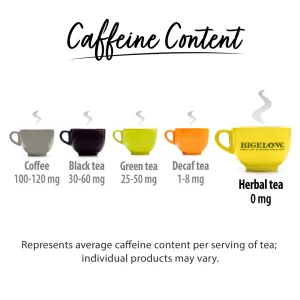
The level of caffeine varies depending on how the tea is processed and brewed, but all of these teas contain at least some caffeine. Since chamomile tea does not use tea leaves at all, it does not naturally contain caffeine.
This makes chamomile tea an excellent option for people who are sensitive to caffeine, trying to reduce their intake, or avoiding stimulants for health or lifestyle reasons.
Is Chamomile Tea 100 Percent Caffeine-Free?
Yes, pure chamomile tea is 100 percent caffeine-free. When prepared using only dried chamomile flowers and hot water, the caffeine content is zero. This is why chamomile tea is often recommended for children, older adults, and individuals who want a calming drink without stimulation.
However, it is important to check product labels carefully. Some commercially available tea blends combine chamomile with green tea, black tea, or other caffeinated ingredients. In those cases, the caffeine comes from the added tea leaves—not from the chamomile itself.
If you are specifically looking for a caffeine-free option, choosing pure chamomile tea is the safest choice.
Why Chamomile Tea Is Popular Before Bedtime
Chamomile tea is commonly consumed at night because of its association with relaxation and sleep support. Since caffeine can interfere with sleep by increasing alertness and heart rate, caffeine-free drinks like chamomile tea are ideal for evening use.
Chamomile contains natural compounds, including apigenin, an antioxidant that may interact with receptors in the brain linked to relaxation. While chamomile is not a sedative, many people report feeling calmer and more at ease after drinking it.
The absence of caffeine plays a major role in this effect. Chamomile tea does not cause nervousness, restlessness, or energy spikes, making it a gentle and soothing beverage to unwind after a long day.

Chamomile Tea vs Green Tea and Black Tea
Comparing chamomile tea with traditional teas highlights why it stands out as a caffeine-free option.
-
Green tea contains moderate caffeine and provides a mild energy boost.
-
Black tea has a higher caffeine content and is often consumed in the morning or afternoon.
-
White tea, although lightly processed, still contains caffeine.
Chamomile tea differs from all of these because it contains no caffeine at all. It does not stimulate the nervous system or cause energy crashes, making it suitable for any time of day—especially at night.