Best Tea for Sore Throat: An All-Natural Remedy to Calm and Heal
A sore throat can be irritating, uncomfortable, and sometimes painful enough to interfere with daily life. Whether it is caused by a cold, flu, allergies, excessive talking, or dry air, that scratchy and burning sensation makes swallowing difficult and speaking unpleasant. One of the oldest and most trusted remedies for throat discomfort is tea. Warm, soothing, and packed with natural healing properties, the right tea can bring fast relief while also supporting the body’s recovery process.
However, not all teas work the same way. Some reduce inflammation, others fight bacteria, and some simply coat the throat to provide immediate comfort. Choosing the best tea for a sore throat depends on your symptoms and the type of relief you need.

Why Tea Helps Relieve a Sore Throat
Tea is effective for sore throat relief for several important reasons. First, the warmth increases blood circulation in the throat tissues, which helps reduce inflammation and promotes healing. Second, many teas contain antioxidants and anti-inflammatory compounds that calm irritation and support the immune system. Third, tea keeps the throat moist, preventing dryness that can worsen pain and trigger coughing.
Herbal teas are especially beneficial because they are naturally caffeine-free and often made with medicinal herbs traditionally used to support respiratory health. When combined with honey, tea becomes even more powerful, as honey coats the throat and offers natural antibacterial properties.
learn more : Does Green Tea Have Caffeine?
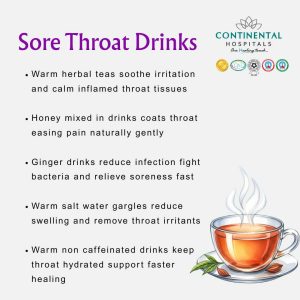
Ginger Tea: Powerful Anti-Inflammatory Relief
Ginger tea is widely regarded as one of the best teas for sore throat relief. Ginger contains active compounds called gingerols and shogaols, which have strong anti-inflammatory and antimicrobial effects. These compounds help reduce throat swelling while fighting bacteria and viruses that may be causing the discomfort.
Ginger tea provides a warming sensation that delivers instant relief, especially when a sore throat is accompanied by chills or congestion. It also helps loosen mucus, making it easier to clear the throat and breathe more comfortably.
Fresh ginger root boiled in hot water creates a spicy, invigorating tea that can ease pain quickly. Adding honey softens the sharp taste and enhances its soothing effect.
Chamomile Tea: Gentle and Calming Comfort
Chamomile tea is an excellent option for those who prefer a mild flavor and gentle relief. Chamomile is known for its calming properties and its ability to reduce throat inflammation while relaxing the surrounding muscles. This makes it particularly helpful for sore throats caused by excessive coughing or voice strain.
Rich in flavonoids and antioxidants, chamomile tea supports the immune system and may help shorten recovery time. It also has a mild numbing effect that can temporarily reduce throat pain.
Another major benefit of chamomile tea is its ability to promote better sleep. Since the body heals more effectively during rest, drinking chamomile tea before bedtime can accelerate the healing of throat irritation.

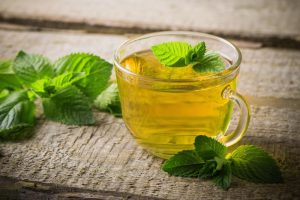
Peppermint Tea: Cooling and Refreshing Relief
Peppermint tea is especially effective for sore throats linked to congestion, sinus pressure, or post-nasal drip. Peppermint contains menthol, which produces a cooling sensation that helps numb throat pain and reduce irritation.
Menthol also acts as a natural decongestant, opening the airways and decreasing mucus buildup. This makes peppermint tea ideal when a sore throat accompanies a cold or flu.
In addition to soothing the throat, peppermint tea freshens the mouth and helps reduce coughing. Its refreshing flavor makes it easy to sip throughout the day, keeping the throat hydrated and comfortable.
Licorice Root Tea: A Time-Honored Throat Soother
Licorice root tea has been used for centuries as a natural remedy for sore throats and respiratory issues. This traditional herbal tea contains compounds that reduce inflammation, calm irritated tissues, and fight infections. One of its most remarkable benefits is the ability to form a protective coating over the throat, which reduces friction during swallowing and provides prolonged relief from dryness and irritation.
Licorice root tea has a naturally sweet flavor, making it pleasant to drink even without added sweeteners. However, those with high blood pressure should consume it in moderation, as excessive intake can affect cardiovascular health.

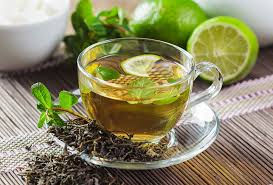
Green Tea: Antioxidant Support for Healing
Green tea is well-known for its high levels of antioxidants, specifically catechins, which offer potent anti-inflammatory and antimicrobial benefits. These compounds help combat bacteria and viruses responsible for sore throats while supporting overall immune function.
Additionally, green tea has mild astringent properties that can help reduce throat tissue swelling. Drinking it warm can soothe discomfort without irritating sensitive throat areas.
It’s important to note that green tea contains caffeine, so it may not be ideal for nighttime consumption. However, morning or afternoon tea can provide a gentle, relaxing way to start the day while supporting throat health.
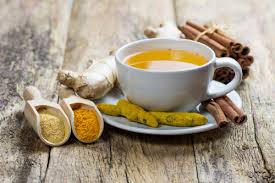
Turmeric Tea: Natural Anti-Inflammatory Power
Turmeric tea is one of the most effective natural remedies for throat pain. The active compound curcumin in turmeric has strong anti-inflammatory and antibacterial properties, making it ideal for sore throats caused by bacterial infections or chronic inflammation.
Drinking warm turmeric tea can reduce swelling, pain, and the risk of infection. To enhance its effects, turmeric is often combined with black pepper, which improves absorption, and honey, which adds a soothing layer to the throat. Its warm, earthy flavor makes it an enjoyable and functional remedy.
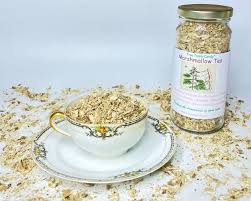
Marshmallow Root Tea: Deeply Moisturizing Relief
Marshmallow root tea is not related to the sweet dessert of the same name, but this herb is highly effective for dry, scratchy throats. It contains mucilage, a gel-like substance that coats and soothes irritated throat tissues.
Marshmallow root tea provides a protective layer that makes swallowing and speaking less painful. For maximum benefit, it should be steeped longer to release its soothing compounds fully. This tea is gentle, safe, and can be consumed frequently for prolonged relief.
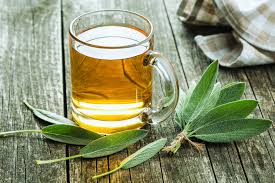
Sage Tea: Antibacterial and Anti-Inflammatory Aid
Sage tea has long been used for its antibacterial and anti-inflammatory properties. It is particularly effective for sore throats caused by infections or inflammation.
Sage helps reduce swelling and relieve pain while swallowing. Its mild antiseptic qualities assist in fighting germs in the throat. While sage tea has a slightly dry and bitter flavor, adding honey can enhance its taste and increase its soothing effects.
How to Prepare Tea for Sore Throat Relief
To maximize the benefits of herbal teas, proper preparation is key:
-
Temperature: Use warm water rather than boiling water, as extremely hot liquids can aggravate the throat. Let tea cool slightly before drinking.
-
Honey: Adding raw honey enhances the soothing effect, coats the throat, and reduces coughing.
-
Lemon: A small amount of lemon juice can help dissolve mucus, but use sparingly if the throat is very sensitive.
-
Frequency: Sip tea gradually and regularly throughout the day rather than consuming it all at once. This keeps the throat hydrated and comfortable over a longer period.

Final Thoughts
Tea remains one of the most effective and natural remedies for sore throats. Whether you seek the warming comfort of ginger, the relaxing calm of chamomile, or the potent anti-inflammatory power of turmeric, there is a tea to meet your needs.
The best tea for a sore throat depends on the cause and severity of your symptoms. Herbal teas consumed warm and mixed with honey are generally the safest and most soothing option.
By choosing the right tea and drinking it consistently throughout the day, you can relieve pain, promote recovery, and achieve natural relief without relying on strong medications. Herbal teas are a gentle, accessible, and time-honored way to soothe throat discomfort and support overall health.