What Are the Ingredients in Twisted Tea? A Complete Guide
Twisted Tea has become one of the most popular ready-to-drink alcoholic beverages in the United States and several other regions. Known for its smooth taste, refreshing tea flavor, and easy drinkability, Twisted Tea is a common choice at social gatherings, outdoor events, barbecues, and casual hangouts. While it tastes similar to iced tea with a citrusy finish, many consumers often ask an important question: what exactly is in Twisted Tea, and what type of alcohol does it contain?
Understanding the ingredients in Twisted Tea, including its alcohol base, production process, and alcohol strength, helps consumers make informed choices. This guide explains everything you need to know about what goes into Twisted Tea and how it compares to other alcoholic beverages.
What Is Twisted Tea?
Twisted Tea is best described as a hard iced tea, a category of alcoholic drinks that blends brewed tea flavors with alcohol. While it looks and tastes similar to traditional iced tea, Twisted Tea is not a non-alcoholic beverage. It contains alcohol produced through fermentation, making it comparable to beer rather than soft drinks or bottled teas.
The appeal of Twisted Tea lies in its smooth profile, low carbonation, and subtle sweetness. Unlike many beers that have a strong hop flavor or spirits that carry a harsh bite, Twisted Tea offers a mild, refreshing taste that appeals to a broad audience, including people who may not usually enjoy beer or liquor.
What Are the Main Ingredients in Twisted Tea?
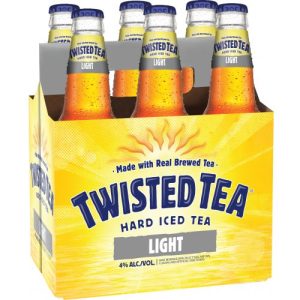
Although specific formulations may vary slightly by flavor, the core ingredients in Twisted Tea generally include:
-
Water
-
Fermented malt or grain base
-
Brewed tea or tea flavoring
-
Natural or artificial flavors
-
Sweeteners
-
Citric acid or similar acidity regulators
These ingredients work together to create the signature tea-like taste while delivering an alcoholic beverage suitable for casual consumption.
learn more : what time does mcdonald’s stop serving breakfast
Alcohol Base in Twisted Tea Explained
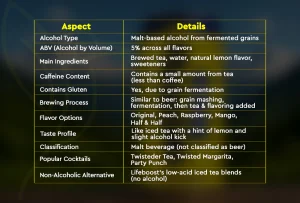
At its core, Twisted Tea is made using fermented carbohydrates, most commonly derived from malted barley or other cereal grains. This makes Twisted Tea a malt-based alcoholic beverage, similar to beer.
The alcohol present in Twisted Tea is ethanol, which is the same type of alcohol found in beer, wine, cider, and distilled spirits. Ethanol is the only alcohol safe for human consumption and is produced naturally during fermentation.
Although Twisted Tea does not taste like beer, the alcohol source is chemically identical. The difference lies in how the alcohol is flavored and processed after fermentation.
How the Alcohol in Twisted Tea Is Produced
To fully understand what alcohol is in Twisted Tea, it helps to look at the production process. The alcohol is created through fermentation, a natural process where yeast converts sugars into ethanol and carbon dioxide.
Step-by-Step Alcohol Production Process
Carbohydrate Preparation
The process begins with fermentable carbohydrates such as malted barley, corn sugar, or other grains. These carbohydrates provide the sugars needed for fermentation.
Fermentation
Yeast is added to the carbohydrate mixture. As the yeast consumes the sugars, it produces ethanol (alcohol) and carbon dioxide. The longer the fermentation, the higher the alcohol content becomes.
Flavor Blending
After fermentation is complete, the alcoholic base is blended with tea flavors, citrus notes, sweeteners, and other flavoring ingredients. This step gives Twisted Tea its recognizable iced tea taste.
Filtering and Packaging
The beverage is filtered to remove impurities, lightly carbonated, and packaged into cans or bottles for distribution.
Despite its tea-like flavor, Twisted Tea uses the same alcohol production method as beer, relying on fermented grains rather than distilled spirits.
Twisted Tea Alcohol Content (ABV)
One of the most frequently asked questions is about the alcohol strength of Twisted Tea. Alcohol strength is measured using Alcohol by Volume (ABV), which represents the percentage of pure alcohol in the beverage.
Most standard Twisted Tea flavors contain approximately 5 percent ABV, though some variations may be slightly higher or lower depending on the product line. This alcohol level places Twisted Tea firmly in the same category as most beers.
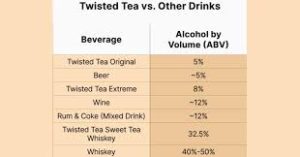
ABV Comparison for Better Understanding
This comparison shows that Twisted Tea is much closer to beer in strength than wine or hard liquor, making it a moderate-alcohol beverage.
Is Twisted Tea Considered Beer?
Legally and technically, Twisted Tea is classified as a flavored malt beverage rather than a traditional beer. While it does not have hops or a beer-like flavor, its alcohol comes from fermented grains, which aligns it with beer production methods.
This classification is important for labeling, regulation, and alcohol distribution, even though consumers experience it more like a flavored tea drink.
Why Twisted Tea Tastes Milder Than Other Alcoholic Beverages
Many people who try Twisted Tea for the first time are surprised by how smooth and mild it tastes compared to other alcoholic beverages. Even though Twisted Tea contains ethanol—the same type of alcohol found in beer, wine, and spirits—it often feels less bitter or harsh. This perceived mildness is not accidental; it is the result of careful formulation, flavor balancing, and production choices.
Understanding why Twisted Tea tastes lighter helps consumers better recognize its effects and drink it responsibly.
Key Reasons Why Twisted Tea Feels Less Strong
1. Flavor Masking Through Tea and Fruit Notes
One of the biggest reasons Twisted Tea tastes milder is its flavor profile. The brewed tea base, combined with sweeteners and citrus or fruit flavors, effectively masks the natural sharpness of alcohol. Unlike beer, which often has a bitter hop profile, or wine, which can have acidic or tannic notes, Twisted Tea emphasizes smoothness and sweetness.
This makes the alcohol less noticeable on the palate, even though it is present in similar concentrations to beer.
2. Low Carbonation Level
Twisted Tea is only lightly carbonated. High carbonation, such as in sparkling wine or sodas mixed with alcohol, can enhance the sharp sensation of ethanol. By keeping carbonation low, Twisted Tea delivers a smoother mouthfeel that reduces the perception of alcohol burn.
This subtle carbonation contributes significantly to its easy-drinking reputation.
3. Balanced Sweetness
Sweetness plays a major role in how alcohol is perceived. Sweet drinks tend to soften and conceal alcohol flavors more effectively than dry beverages. Twisted Tea’s balanced sweetness, combined with tea flavors, creates a refreshing and soothing drinking experience rather than an intense one.
This balance makes it appealing to people who prefer milder alcoholic beverages.
4. Familiar and Comforting Taste Profile
For many people, iced tea is a familiar and comforting flavor associated with non-alcoholic drinks. This familiarity can psychologically reduce the perception of alcohol. When the brain recognizes a known flavor, it may not immediately associate it with alcohol, making the drink seem lighter than unfamiliar or bitter beverages.
Effects of Alcohol in Twisted Tea on the Body
The active ingredient responsible for Twisted Tea’s effects is ethanol. Once consumed, ethanol is absorbed into the bloodstream and affects the brain and central nervous system.
Common effects of ethanol include:
Because Twisted Tea typically contains around 5 percent alcohol by volume (ABV), its effects are comparable to those of a standard beer when consumed in similar quantities. Factors such as body weight, metabolism, tolerance, and drinking speed all influence how strongly these effects are felt.
Even though Twisted Tea tastes mild, consuming multiple servings in a short period can still lead to intoxication. Responsible consumption is essential, especially when driving or operating machinery.
Twisted Tea Compared to Other Alcoholic Beverages
Twisted Tea vs. Beer
Both Twisted Tea and beer contain ethanol produced through fermentation. The primary difference lies in taste and ingredients. Beer is made from malted barley and hops, giving it a bitter and sometimes heavy flavor. Twisted Tea replaces hops with tea flavors and sweeteners, resulting in a lighter, smoother profile.
Despite the taste difference, the alcohol strength is often similar.
Twisted Tea vs. Wine
Wine is produced by fermenting grapes and generally has a much higher alcohol content, usually between 11 and 14 percent ABV. Twisted Tea’s lower alcohol level and sweeter flavor make it feel less intense and more accessible, especially for those who prefer lighter drinks.
Twisted Tea vs. Spirits
Spirits such as vodka, whiskey, or rum are distilled, which dramatically increases their alcohol concentration. With alcohol levels around 40 percent ABV, spirits are far stronger than Twisted Tea. Twisted Tea is not distilled and remains closer to beer in both strength and effect.
Safety and Responsible Drinking
Knowing the alcohol content and characteristics of Twisted Tea allows consumers to make informed choices. Since its alcohol level is similar to beer, standard guidelines for moderate drinking apply.
Responsible drinking includes consuming alcohol in moderation, eating food alongside drinks, staying hydrated, and avoiding driving after drinking. Individual tolerance varies, and what feels mild to one person may affect another more strongly.
Pregnant individuals, those under the legal drinking age, people taking medications that interact with alcohol, or those with certain health conditions should avoid Twisted Tea entirely.
Conclusion: Understanding What’s in Twisted Tea
Twisted Tea contains ethanol, the same alcohol found in beer, wine, and spirits. It is produced through the fermentation of sugars derived from malted grains and typically contains about 5 percent alcohol by volume.
Its smooth taste, low carbonation, balanced sweetness, and familiar tea flavor make it seem milder than other alcoholic beverages, even though its alcohol content is comparable to beer. While refreshing and easy to drink, Twisted Tea should still be enjoyed responsibly.
By understanding how Twisted Tea is made and how it affects the body, consumers can enjoy it consciously in both social and personal settings.


