
The Caffeine Content of Decaf Coffee: What Decaf Really Means
Decaf coffee is enjoyed by millions of people who love the taste of coffee but want to avoid the stimulating effects of caffeine. For individuals who are sensitive to caffeine, have certain health concerns, or simply want to reduce their daily caffeine intake, decaf coffee seems like the perfect solution. However, one of the most common misunderstandings is that decaf coffee contains zero caffeine. In reality, decaf coffee does contain caffeine, but in much smaller amounts compared to regular coffee. Understanding how much caffeine is in decaf, how it compares to normal coffee, and what affects its caffeine levels helps consumers make informed decisions about their coffee habits.

What Decaf Coffee Really Means
Decaf coffee is created by removing most of the caffeine from coffee beans before they are roasted. The decaffeination process usually eliminates 97% to 99% of the caffeine, depending on which method is used. While the larger portion of caffeine is removed, it is impossible to extract every trace of it without damaging the beans’ flavor, aroma, and natural structure. Because of this, decaf coffee will always contain a small amount of caffeine, although the level is low enough to be considered mild for most drinkers.
Once the beans undergo the decaffeination process, they are roasted and brewed just like regular coffee. The result is a beverage that tastes similar to traditional coffee, but with significantly reduced caffeine content. Individuals who want the experience of drinking coffee without the strong stimulating effect often choose decaf as a balanced alternative.
How Much Caffeine Is in a Cup of Coffee?

How Much Caffeine Is in Decaf Coffee?
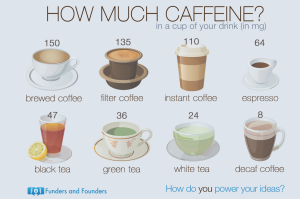
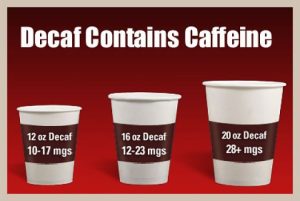
A typical 8-ounce cup of decaf coffee contains around 2 to 7 milligrams of caffeine. The exact amount varies depending on the brand, bean type, decaffeination method, and brewing style. In rare cases, certain strong brews may contain up to 12 to 15 milligrams per cup, but this is not common. Compared to a regular 8-ounce cup of coffee, which has 95 to 125 milligrams of caffeine, decaf remains significantly lower and far less stimulating.
Different beverages have different caffeine ranges, even when decaffeinated. For example, 100 ml of decaf espresso may contain between 3 and 10 milligrams of caffeine, while the same serving of regular espresso has 60 to 70 milligrams. Larger drinks, such as a 16-ounce decaf latte, may contain more caffeine simply because they use multiple espresso shots. These variations show that the caffeine content in decaf is not entirely uniform, but it is always much less than regular coffee.
Why Decaf Coffee Still Contains Caffeine
Many people wonder why decaf coffee cannot be completely caffeine-free. The answer lies in the natural structure of the coffee bean and the complexity of the decaffeination process. Caffeine is a naturally occurring compound in coffee plants. It acts as a protective chemical that helps defend the beans against insects. Because caffeine is deeply embedded in the bean’s cellular structure, removing it completely without destroying flavor is nearly impossible.
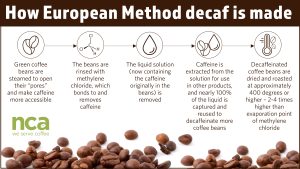
Decaffeination begins by steaming or soaking unroasted green coffee beans. This step opens the pores of the beans, making it easier for caffeine molecules to escape. Depending on the method used, the beans are then treated with either water, carbon dioxide, or mild solvents such as methylene chloride or ethyl acetate. Each technique aims to draw out the caffeine while preserving the flavor compounds that give coffee its distinct taste.
The water processing method is known for being chemical-free, while the CO₂ method is appreciated for its precision and ability to maintain flavor quality. Solvent-based methods are often faster and cost-effective. Despite the differences in technique, none of these processes can remove 100% of the caffeine. Because of this, the official definition of decaf coffee allows it to contain up to 3% of its original caffeine content.
Understanding the Role of Flavor Preservation
Another major reason decaf retains some caffeine is that completely extracting the compound would negatively impact the overall taste of the coffee. Caffeine contributes slightly to bitterness, but more importantly, the structure of the bean must stay intact for a rich and enjoyable flavor. Removing too much caffeine can cause the beans to lose their natural oils and aromatic compounds. Coffee producers aim for a balance between caffeine reduction and flavor preservation to make decaf both safe and enjoyable.
Elements That Reshape Caffeine in Decaf Coffee
Decaf coffee is widely chosen by people who enjoy the aroma and comfort of coffee but want to avoid the stronger stimulating effects associated with caffeine. While decaf coffee is significantly lower in caffeine than regular coffee, it is not completely caffeine-free. The caffeine content in decaf varies based on several important factors, including the coffee bean variety, the decaffeination method, and the brewing technique. Understanding these elements helps consumers know why caffeine levels differ and how to choose a decaf coffee that matches their lifestyle or health needs. With the rising popularity of low-caffeine beverages, knowing how decaf works is essential for making informed daily choices.
Coffee Bean Variety and Its Influence on Caffeine Levels
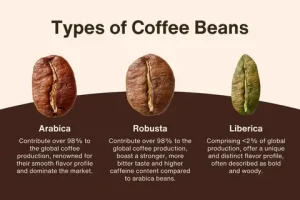
One of the most significant factors that affects how much caffeine remains in decaf coffee is the type of coffee bean used. Coffee primarily comes from two main varieties: Arabica and Robusta. Robusta beans naturally contain almost twice as much caffeine as Arabica beans. Even after undergoing a decaffeination process, Robusta beans will retain slightly more caffeine than decaffeinated Arabica beans. Because of this, many specialty coffee brands prefer using Arabica beans for their decaf products, ensuring the final caffeine amount remains as low as possible.
The natural caffeine concentration in the bean plays a big role because the decaffeination process removes a percentage of caffeine—not a fixed amount. For instance, if 97% of caffeine is removed from a high-caffeine Robusta bean, more caffeine will remain compared to the same percentage removed from a lower-caffeine Arabica bean. This is why bean selection matters for anyone trying to minimize caffeine intake.
Role of the Decaffeination Method in Caffeine Reduction
The decaffeination technique is another major factor that determines the amount of caffeine left in decaf coffee. Among all methods, the Swiss Water Process is known for achieving some of the lowest caffeine levels. This method involves soaking the beans in pure water to dissolve caffeine and filtering the water through activated charcoal. Since it does not use chemical solvents, it is popular among consumers seeking clean, natural decaf options. The Swiss Water Process often results in caffeine levels that fall on the lower end of the decaf spectrum.
Another widely used method is the carbon dioxide (CO₂) process, which removes caffeine using highly pressurized CO₂. This technique effectively eliminates caffeine while preserving flavor compounds. It is efficient, safe, and commonly used for high-quality decaf products. Although CO₂ processing is excellent at flavor retention, the final caffeine levels may be slightly higher than Swiss Water Process decaf, depending on how long the beans undergo extraction.
Solvent-based methods, such as those using ethylene acetate or methylene chloride, are common because they are cost-effective and preserve the coffee’s natural taste. These methods are safe and highly regulated, but they can sometimes leave higher traces of caffeine compared to water-based methods. Each decaffeination style impacts flavor, aroma, and how much caffeine remains, which is why these differences affect the final product consumers buy.
How Brewing Methods Affect Caffeine Extraction
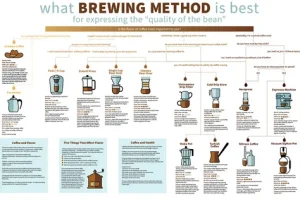
Even after the beans are decaffeinated, the brewing method can influence how much caffeine is extracted into a cup. Brewing styles such as French press, espresso, and pour-over extract more compounds due to longer contact time, higher pressure, or finer grind sizes. This means a shot of decaf espresso may sometimes contain slightly more caffeine than the same amount of decaf drip coffee, even though both are low overall.
The grind size also plays a role. Finer grounds expose more surface area, leading to more caffeine extraction. Hotter water temperatures and longer brew times can further increase the small amount of caffeine present in decaf grounds. This explains why even two cups of decaf prepared differently may not contain the exact same caffeine level. While the variations are minor, they are worth noting for individuals who need strict caffeine control.
Comparing Decaf Coffee to Other Low-Caffeine Drinks
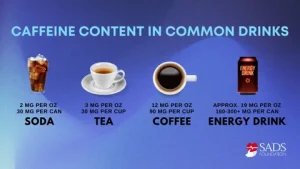
When compared to other beverages, decaf coffee consistently remains one of the lowest-caffeine options available. A regular cup of black tea typically contains 40 to 60 milligrams of caffeine, while green tea contains 20 to 40 milligrams. Soft drinks like cola have 20 to 30 milligrams, and energy drinks can have anywhere from 50 to 200 milligrams per serving. In contrast, a standard cup of decaf coffee generally contains only 2 to 7 milligrams of caffeine.
This makes decaf one of the safest choices for people who want to enjoy a flavorful beverage without experiencing caffeine-related issues such as jitteriness, insomnia, or anxiety. Still, those who are extremely sensitive to caffeine may feel even small amounts, making it important for such individuals to check the specific caffeine levels of the decaf brand they consume.
Health Considerations and Benefits of Choosing Decaf
Decaf coffee can offer a variety of health benefits, particularly for individuals who must limit their caffeine intake due to medical advice. Pregnant women, people with anxiety disorders, or individuals with heart conditions may be advised by healthcare professionals to avoid stimulants. Decaf allows them to enjoy the antioxidants and rich coffee flavor without the strong effects associated with caffeine.
Decaf still contains polyphenols and other beneficial plant compounds found in regular coffee, contributing to improved health and reduced inflammation. Many people who switch to decaf experience fewer caffeine withdrawal symptoms, better sleep patterns, and reduced anxiety. However, even though decaf is generally safe, individuals with medical conditions should still consult with their doctor to determine the appropriate level of caffeine intake for their situation.
Is Decaf Coffee Completely Safe for Everyone?
Most people can drink decaf coffee without any issues, but those who are highly sensitive to caffeine should still be cautious. While a single cup of decaf contains minimal caffeine, drinking multiple cups can add up. For example, if one cup contains five milligrams of caffeine, four cups may total twenty milligrams—a small amount, but still enough to affect some individuals.
It is also important to consider the decaffeination method. Although all methods used today are safe, some consumers prefer natural processes like the Swiss Water Process to avoid chemical solvents. Reading labels and understanding the processing method can help people choose a decaf product that aligns with their health concerns and personal preferences.
Conclusion
Decaf coffee contains far less caffeine than regular coffee, but it is not completely caffeine-free. The final caffeine content varies based on the bean type, decaffeination method, and brewing technique. A standard cup of decaf usually contains between 2 and 7 milligrams of caffeine, compared to nearly 100 milligrams in a regular cup. Decaf remains a valuable alternative for people who want the taste and comfort of coffee without the intense stimulation of caffeine. By understanding what affects caffeine levels in decaf, consumers can make informed decisions that fit their lifestyle, health needs, and daily habits.