Calories in a Cup of Coffee: How Much Caffeine? A Complete Guide
Coffee is one of the most widely consumed beverages in the world, and caffeine is the powerful natural stimulant found in every cup. Many people assume that the caffeine content in a cup of coffee is the same everywhere, but this is far from true. The amount of caffeine you consume can change dramatically depending on the type of beans, how the coffee is roasted, the brew method, serving size, and even the specific coffee brand. Understanding how much caffeine you truly get in a single cup can help you manage energy levels, reduce jitters, improve sleep, and make healthier choices. This complete guide explains how caffeine varies in coffee and why these differences matter.
Average Caffeine in a Standard Cup of Coffee
A typical 8-ounce (240 ml) cup of brewed coffee contains an average of 95 mg of caffeine. This is the standard used by nutrition labels and most research studies. However, this is only an average. Depending on how the coffee is made, caffeine can range anywhere from 60 mg to over 200 mg in a single serving.
Serving size is another overlooked factor. Most people drink more than 8 ounces. A home mug is usually 10–14 ounces, while café sizes range from 12 to 24 ounces. A 16-ounce coffee can easily contain 150–300 mg of caffeine, even when brewed normally. This variation shows why knowing the factors that affect caffeine content is important for anyone who tracks their caffeine intake.
How Brewing Method Changes Caffeine Content
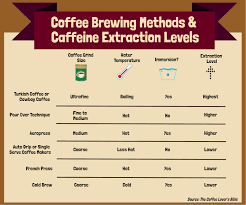
The brewing method has one of the biggest impacts on how much caffeine ends up in your cup. Extraction time, grind size, water temperature, and pressure all play major roles.
Drip or Brewed Coffee
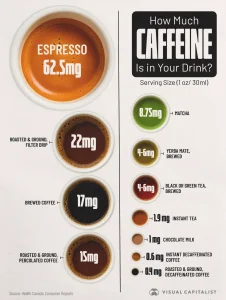
This is the most common method and typically contains 95–150 mg of caffeine per 8-ounce serving. Hot water continually passes through the grounds, extracting a high amount of caffeine.
French Press Coffee
French press coffee usually contains 80–120 mg of caffeine. The grounds steep in water instead of being filtered through, allowing oils and fine particles to remain, but sometimes extracting slightly less caffeine.
Espresso
A single espresso shot (1 ounce) contains about 60–70 mg of caffeine. While espresso has the highest caffeine concentration per ounce, the small serving size means the total caffeine is lower than a full cup of drip coffee. However, drinks with multiple espresso shots, such as lattes or americanos, increase caffeine intake quickly.
Cold Brew Coffee
Cold brew is known for its strength. The long steeping process—sometimes 12 to 24 hours—pulls out a high amount of caffeine. An 8-ounce serving of cold brew can contain 150–250 mg of caffeine, making it one of the strongest types of coffee.
How Much Caffeine Is in a Cup of Coffee?
How Coffee Bean Type Affects Caffeine
Coffee beans naturally contain different levels of caffeine. The two main commercial types—Arabica and Robusta—show major differences.
Arabica Beans
These beans are smooth, aromatic, and widely used. They contain around 1.2% caffeine naturally.
Robusta Beans
Robusta is stronger, more bitter, and contains almost double the caffeine—about 2.2% caffeine. This makes Robusta a common choice in espresso blends, instant coffee, and strong dark roasts.
Any coffee blend containing Robusta will automatically have higher caffeine levels. People with caffeine sensitivity usually prefer 100% Arabica to avoid stronger effects.
How Roast Level Influences Caffeine
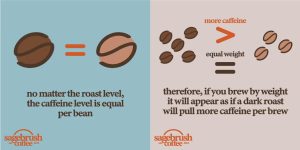
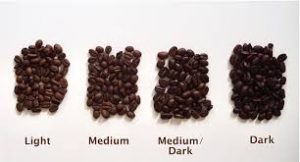
Many people believe that dark roast coffee contains more caffeine because of its strong taste. However, the science behind roasting shows something different. Light roast beans actually retain slightly more caffeine because they undergo less heat and moisture loss during roasting.
As beans roast longer, they expand and lose density. This means:
-
Light roast beans are denser, so one scoop contains more mass and slightly more caffeine.
-
Dark roast beans are lighter and larger, meaning a scoop contains fewer actual solids.
The difference is small, but it exists. Still, brew method and serving size have a bigger effect on caffeine levels than roast type.
Why Caffeine Content Matters for Health and Energy
Knowing how much caffeine is in your coffee is not just interesting—it is helpful for better health decisions. Too much caffeine can cause:
-
Jitteriness
-
Anxiety
-
Rapid heartbeat
-
Sleep problems
-
Digestive discomfort
People with caffeine sensitivity, pregnant individuals, or those with certain medical conditions may need to limit intake. Understanding how different brewing styles and bean types affect caffeine content helps you stay within safe limits.
For others, knowing caffeine levels can help boost energy safely. A stronger cold brew may be ideal for long workdays, while a single espresso might be perfect for a quick afternoon pick-me-up without consuming a full cup.